

‘No silver bullet’ – motorway safety tech could be 15 years away, committee told

The Joint Committee on Transport met on Wednesday to discuss recent incidents on the Irish motorway network.
Technology to tackle wrong-way motorway driving could be 15 years away, Transport Infrastructure Ireland (TII) told the Oireachtas Joint Committee on Transport on Wednesday.
The committee was queried on technology like directional spikes and speed limiting microchips.

While the spikes, also known as stingers, have been considered, they are not being used because they are unsafe at speed and emergency responders sometimes need to use the wrong-way ramps, according to Pat Maher, director of network management at TII.
People purposely attempting to drive the wrong way can also just enter the motor way correctly and then turn around, he said.
The technology, he said, that will have the biggest impact is “through the use of connected vehicles”.
This will “allow communication between drivers and control centres”, he said, but is only currently available in about 5% of cars.
It could take “perhaps 10, perhaps 15 years” before the “broader development within the fleet of these communications technologies will allow immediate transmission of messages and alerts to drivers”.
Mr Maher said: “There is no one single silver bullet solution from a technological perspective that can resolve all of the challenges that are associated with dealing with wrong-way driving.
“In the meantime, the technologies that we use will go some way towards being able to better alert drivers.”
The number of people killed in crashes on the roads rose by 13% this year compared to the same time last year, with 139 fatalities up to September 23, Sam Waide, chief executive officer of the Road Safety Authority told the committee.
More than 1,000 people have also been seriously injured in road traffic collisions so far this year.
Mr Waide said young drivers continue to be “particularly high-risk group”, with males making up three quarters of all road deaths this year.
There have been seven fatalities as a result of wrong-way driving on motorways in 2026, compared to two fatalities between 2023 and 2025, he said.
Mr Waide said: “National and international evidence indicates that while this behaviour is rare compared to other dangerous driving behaviours, it poses a significant risk of fatal or serious injuries when it occurs.”
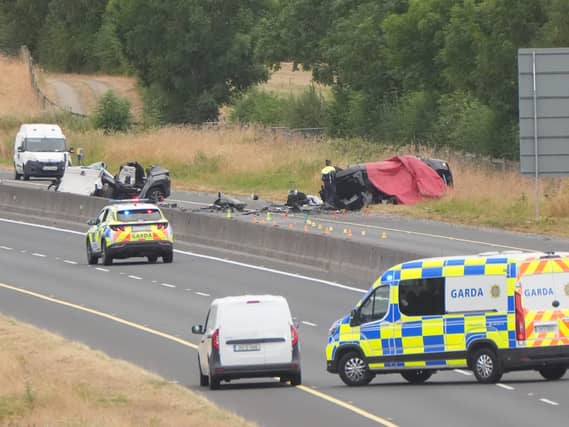
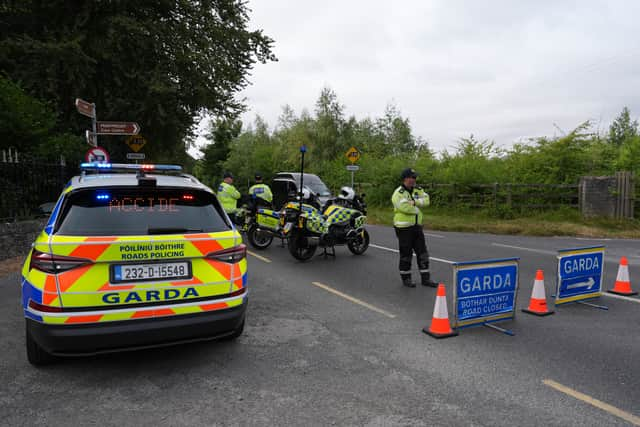
It comes amid a spate of incidents involving cars driving the wrong way on Irish motorways.
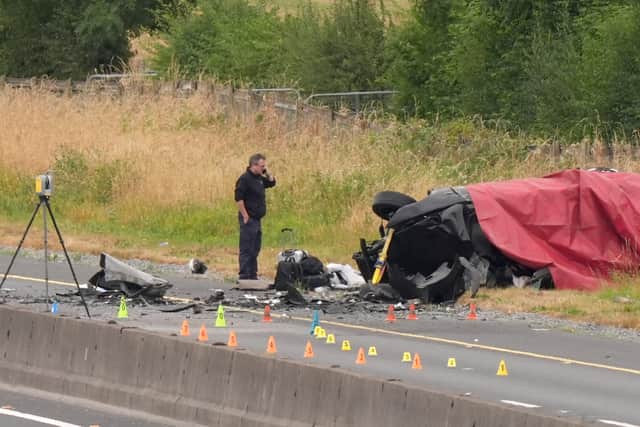
One prominent incident saw five teenagers die after they were involved in a head-on collision with another car.
A child and three women from the same family were also seriously injured in the crash, on the M9 in Co Kildare last month.
Gardaí who pursued the car were found to have acted appropriately by a Fiosrú watchdog investigation.
Garda representative organisations have called for increased legal protections against unintended consequences during chases, while also highlighting that no specific pursuit training currently exists.
No gardaí are currently trained in pursuit driving, a recent Oireachtas Justice Committee heard from both the Garda Representative Association and the Association of Garda Sergeants and Inspectors.
The Government and garda management have committed to introducing training from this year, and instructors would first be schooled by UK police, but just six gardaí are expected to receive the training by the end of the year.
Along with the Cathaoirleach, Fine Gael TD, Michael Murphy the committee is made up of representatives of the Road Safety Authority and Transport Infrastructure Ireland.
It was tasked with examining whether the motorway network is as safe as it can reasonably be.
It looked at the role of infrastructure, driver behaviour, speed, incident management and the information available to motorists when an incident occurs.
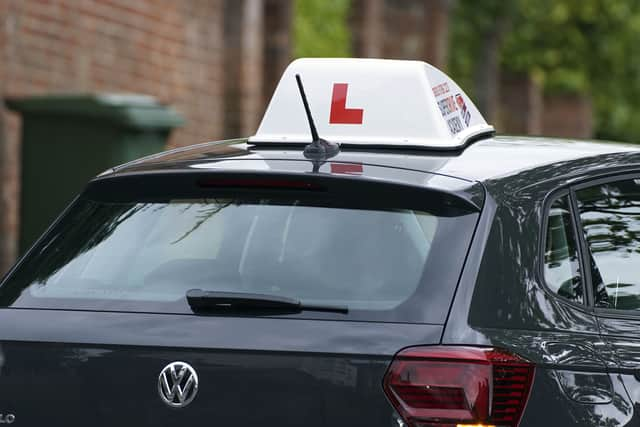
Learner drivers should take lessons or tests on motorways, according to Road Safety Authority chief operations officer Brendan Walsh.
A study has been carried out on its practicality, which the RSA will be briefed on next month, he told the Joint Committee on Transport on Wednesday.
“We are looking at the curriculum,” he said.
“We have a very important meeting happening next month with colleagues from the Queensland University who carried out a study for us around inputting what we should look as we design a new curriculum for the future.”
“I absolutely believe, personally, that motorway driving must be part of it.
“I believe we need to look at something like that.”