

People growing up with better public transport ‘rely less on cars in later life’
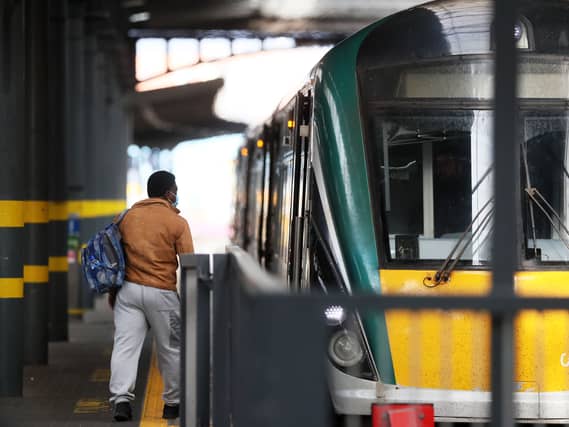

Research suggsts that people living in areas with better public transport tend to learn to drive at older ages.
People who grow up in areas with better public transport learn to drive later and rely less on their cars as they get older, new research has found.
The findings by the ESRI’s Behavioural Research Unit suggest that investment in public transport has long-term benefits for congestion and the environment as well as reducing current car use.
The study, funded by the Department of Transport, combined a nationally representative survey of more than 2,000 people aged 16 and over with data on access to public transport from the National Transport Authority.
The research examined whether having good public transport in the area was linked to the age that people learned to drive and whether, in turn, learning to drive later was linked to how much people drive as they get older.
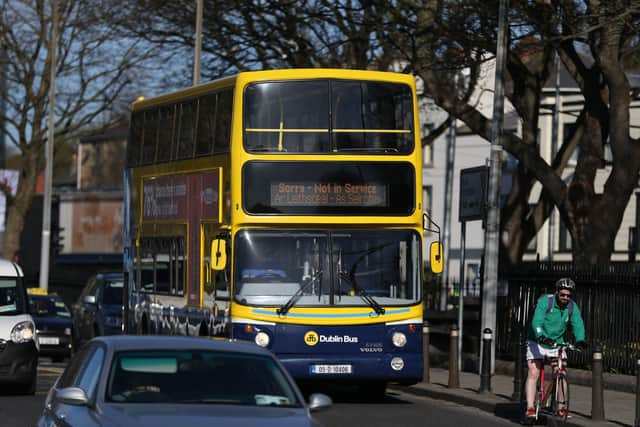
On the first question, the results indicate that people living in areas with better public transport tend to learn to drive at older ages.
At age 20, 60% of people living in areas that lack public transport have learned to drive, compared with 40% in areas with good access.
On the second question, the results suggest that people who delay learning to drive use their cars less later in life.
Each additional year of delay in starting to learn to drive predicts both a lower likelihood of driving on a typical weekday and a reduction in the distance travelled on days when people do drive.
These findings suggest that access to public transport during formative years affects long-term travel habits and reduces dependence on private cars.
A five-year delay in learning to drive is linked to driving 1,500 kilometres less annually.
Dr Shane Timmons, senior research officer at the ESRI and lead author of the study, said: “Debates about transport policy generally focus on how public transport affects travel choices today.
“Our findings suggest there may be important long-term benefits too.
“Investments in public transport today could have lasting effects in future years, reducing transport emissions and easing traffic congestion.”