



9.
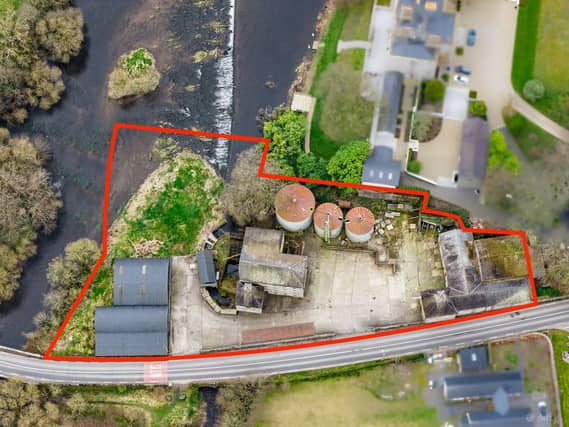
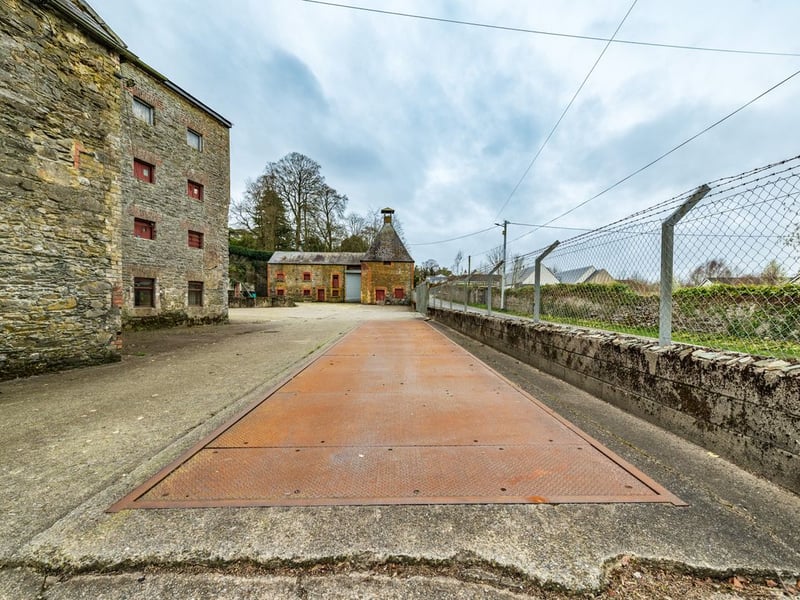
The Mill, Athgarvan is a landmark property consisting of stone period mill buildings, stores and silos set on 1.3 acres approximately of land in a scenic location along the River Liffey in Athgarvan. This is a landmark property consisting of stone period mill buildings, stores and silos set on 1.3 acres approximately of land in a scenic location along the River Liffey in Athgarvan. It will be up for auction on auction on Wednesday, May 20 at 3p.m. in Lawlor’s Hotel, Naas. READ MORE: Seven new apartments planned for Kildare Town Located in central County Kildare, Athgarvan occupies a scenic stretch between Newbridge and Kilcullen, bordered by the Curragh Plains to the west and the River Liffey to the east. Athgarvan takes its identity from the river, the name Athgarvan translates as the “ford of the rough water” and it was here that a ford traversed the River Liffey. Often inaccessible, the ford was replaced by a bridge in 1841. That same “rough water” of the Liffey at Athgarvan has been harnessed over the centuries to power mill wheels and turbines in the production of flour and malt. The earliest definite reference to a mill at Athgarvan comes from the Noble and Keane map of County Kildare of 1752, and a mill has worked at this site until 2025. Set upon a scenic 1.3 acre waterfront site, this historic property features two substantial stone mill buildings, storage sheds, and silos. Constructed in 1860, these period structures were masterfully designed to be both cool and damp-proof. A standout feature is the original malt house, which utilized then-pioneering kiln tile technology to dry barley. Records show that in 1837, the Mill was producing 15,000 bags of flour per year, all distributed via the nearby canal at Corbally Harbour. As a former hub for local farming and industry, the Mill remains a landmark of great social and historical importance to the Athgarvan area.