

'Giant rat' that carries diseases harmful to humans spotted in Canal in Dublin - and could spread to Kildare
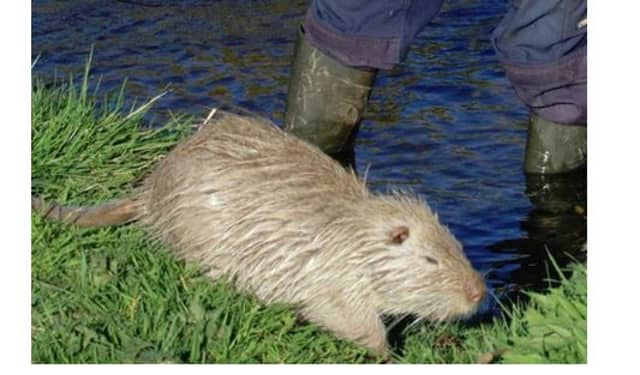

The public is being asked to be on the lookout for a large semi-aquatic rodent species - up to one metre long - seen near the Royal Canal in Dublin.
They may be mistaken for fat otters and be scurrying around river banks or swimming in water.
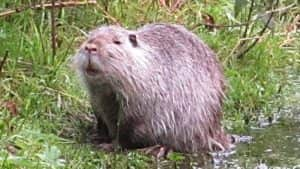
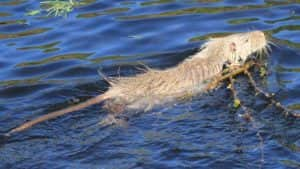
The Coypu, which is up to one metre long including its tail and is native to South America, has been reported near the Ashtown area.
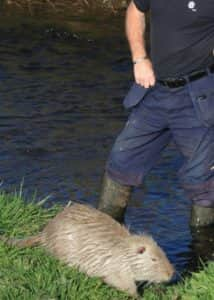
Waterways Ireland issued a warning saying coypu are "highly invasive impacting on wildlife, river and canal bank stability, and are a pest of agriculture crops".
They impact negatively on aquatic vegetation and birds, as well as damaging river banks through burrowing.
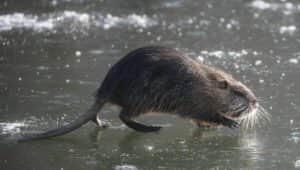
Waterways Ireland released a list of physical features to help people recognise the rodent:
- - Large semi-aquatic, up to one meter in head to tail length
- - Weighs 5-9kg
- - Webbed hind feet
- - Dark fur, often with lighter ends and has a white muzzle
- - Has long cylindrical tail (not fur like otter) and small, slightly protruding ears.
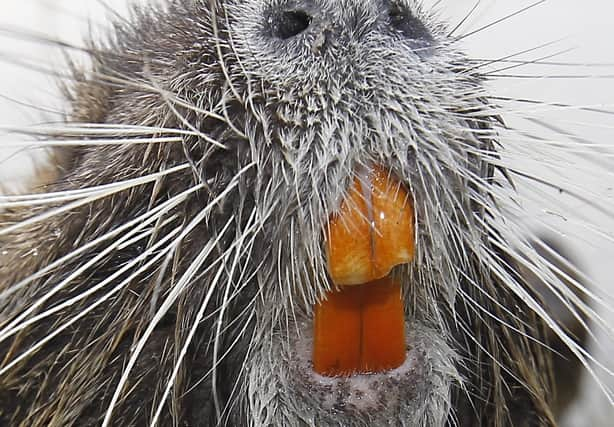
The National Parks and Wildlife Service and the National Biodiversity Data Centre are appealing for the public's help to monitor the animal's spread, so it can be trapped and eliminated.
The Coypu is on a list of major environmental concerns across the European Union.
Each coypu consumes large amounts of vegetation - an individual eats about 25% of its body weight daily, and feeds year-round.
They eat the base of the above-ground stems of plants, and often dig through the organic soil for roots and rhizomes to eat.
They sometimes create what are known as "eat-outs", areas where a majority of the above- and below-ground biomass has been removed, produces patches.