

Kildare group wants to tackle ‘hygiene poverty’


Appeal for charity partners
A local group is looking for the general public to donate toiletries to those who need them.
Local co-ordinator of The Hygiene Bank, Trisha Shorten said she is seeking businesses to offer their premises as drop-off points for the donation of toiletries and for volunteers to pick them up to distribute them.
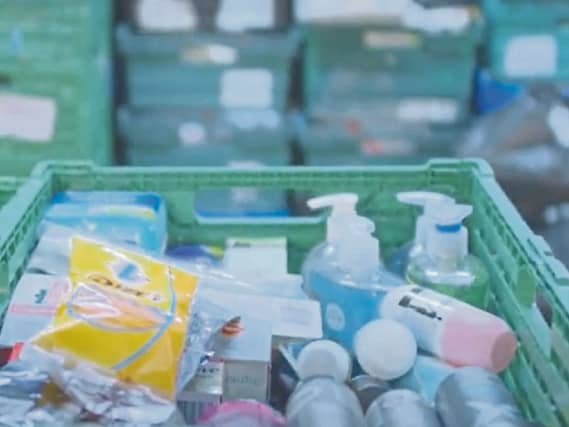
Trisha told the Leader: “The Hygiene Bank aims to tackle hygiene poverty by donating unopened/un-used toiletries and personal grooming products to those who need them.
“One in six people in Ireland live on an income below the poverty line and a fifth of children are at risk of poverty.
“These figures are shocking, and for those who don’t earn enough to make ends meet, hygiene products are often the first to go.
“We have seen an increase in those who need access to our donations throughout the Covid-19 outbreak and we expect these figures to continue to rise, which is why services like ours are so important; especially at a time when hygiene is so essential.
“Kildare is a new project for the Hygiene Bank so we are actively seeking businesses in the Kildare Area for drop-off points for the general public to donate toiletries and then volunteers to distribute the donated products to those who need them most via our charity partners.
“We are also seeking charity partners to whom we can donate these products to so if anyone can help, please get in touch on 085 7211496.”
The Hygiene Bank is in the process of becoming a registered charity in Ireland.
Products are donated, collected, sorted and distributed to a network of community partners — a mix of organisations, charities and schools — supporting people pulled into poverty.
Trisha added: “Many people locked in poverty or those who find themselves in times of crisis often experience restricted options.
“This leaves them caught between being able to heat their home, pay their rent, buy food or keep clean.”
Hygiene poverty can be shaming, humiliating and excluding and can result in social isolation.
“It can lead to a lack of confidence and can negatively affect good health and mental well-being which can impact early childhood development, learning, employability and social interaction.”