

KILDARE WILDLIFE WATCH: Valuable food sources for the autumn months

Bog of Allen Nature Centre
There are many plants that flower late in the year, providing a valuable last source of nectar for late-flying bumblebees and butterflies.
One of the most well known is the native ivy (eidhneán as Gaeilge). Ivy, which you will find growing on walls and trees in your community, has at this time its greenish-yellow flowers that, once pollinated, will also provide an a rich supply of berries for garden birds.
However, there are also many ornamental plants we can purchase from our local garden centres which can also provide a valuable source of nectar and indeed bring bright colour to our gardens during these autumn months.
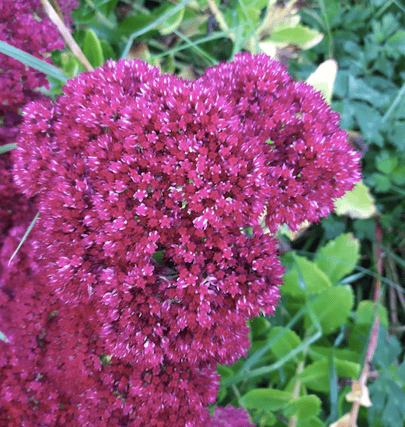
One plant that is fabulous for nectar is sedum also known as the ice plant ‘iceberg’.
This is a low growing plant ideal for growing in your garden flower beds. Its leaves are ovate, fleshy to the touch and pale green in colour. The stems grow in clumps so it is an attractive plant for corners of beds. The flowers are borne in flat clusters at the top of the plant, and these clusters consist of many tiny star shaped flowers. The flowers first appear pale green but later turn a vibrant pink colour.
This plant can reach a height of 50cm and will spread no more than 50cm in diameter, meaning it will not take over your garden.
Another advantage of this plant it requires very little maintenance, growing in the wildlife gardens at the Bog of Allen Nature Centre. The only management we do to this plant is remove the dead flower heads once our local garden birds have benefitted by feeding on the seeds. This supports them through the winter.
If you would like to make your garden more pollinator-friendly, I recommend choosing native species when available, but also speak with your local garden centre who can offer a range of plants that will support you in taking action for your pollinators in your garden.
If you would like help identifying local wildlife or indeed to share your images of local wildlife encountered to be used in a future Wildlife Watch, contact me on 045 860133 or [email protected].