

Kildare woman talks about the daily struggle with Diabetes
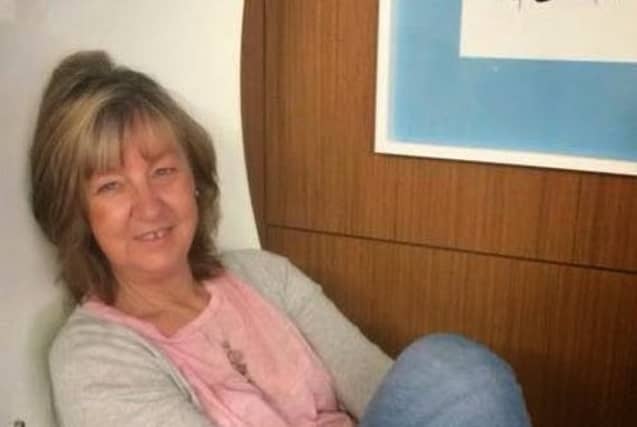

A delegation representing people with Type 1 Diabetes in Ireland recently went to Leinster house to brief TD's on some facts and what life is like living with Type 1 Diabetes.
The Diabetes Ireland group said that many children in Ireland with type 1 Diabetes still cannot access insulin pump therapy, which is recognised as being the best therapy for managing this disease.
Davina Lyon from Kildare and living with Type 1 diabetes said: “I manage my condition as best I can each day with the support of my hospital team.
"I thought I was doing OK yet I recently received some bad news in relation to a developing complication of diabetes. I am upset because I cannot get an insulin pump to improve my management as there is currently no training nurse in my hospital centre”.
"We, as diabetes experts, know that we can reduce the staggering amount spent on complications each year. In the past few years, the diabetes community has worked with the HSE in reducing the cost of diabetes medications and devices, making financial savings.
"We need those savings reallocated to provide the manpower resources outlined to cope with the rising numbers and to encourage more effective daily management and better health outcomes," he explained.
She added that a ‘multi-annual resource commitment' is needed to achieve this rather than the ‘annual cap-in-hand approach we all go through to try and get a few additional posts each year'.
"In time, we will then see a reduction in annual diabetes complications spending, which will be good for the Exchequer and more importantly, quality of life."
"We need a multi-annual resource commitment to achieve this, rather than the annual “cap in hand” approach we all go through to try and get a few additional posts each year. In time, we will then see a reduction in annual diabetes complications spending which will be good for the exchequer and more importantly quality of life”.
Diabetes Ireland chairperson and consultant paediatric endocrinologist Prof Hilary Hoey described it as very frustrating that ‘the technology is there, but our children cannot access it'.
She explained: "We still see many children not getting access to insulin pump therapy, which is now recognised as being the best therapy for managing the condition, because there is no nurse available in the hospital to educate them on how to use and maximise the technology to most effectively manage their diabetes."
She said that the charity has been working with the HSE for years in order to develop strategies for both paediatric and adult diabetes services.
Last December, the then-Minister for Health, Leo Varadkar, launched a new strategy ‘which put forward a strong platform on which to build a high quality service with equity, local access and support for all children with type 1 diabetes and their families, regardless of where they live in Ireland'.
But Prof Hoey said: "As yet, we have seen no progress on implementing this strategy."
Currently, 10% of the annual health budget is spent on diabetes, but 60% of this is spent on diabetes-related complications, which are often preventable.
"If 0.4% (€5 million) of that annual spend was redirected towards funding the paediatric diabetes strategy, huge financial savings from preventing diabetes-related complications would be accrued in future years," Dr Murphy insisted.
TDs also heard from people living with Type 1 diabetes who also face barriers to insulin pump therapy, regular appointments and ongoing support.
Type 1 diabetes is an auto-immune condition that is not related to weight or a sedentary lifestyle. It is not preventable or reversible and is most commonly diagnosed in childhood.