

No to retractable bollards for Kildare residents after anti social behaviour claims


They may pose a safety risk to drivers
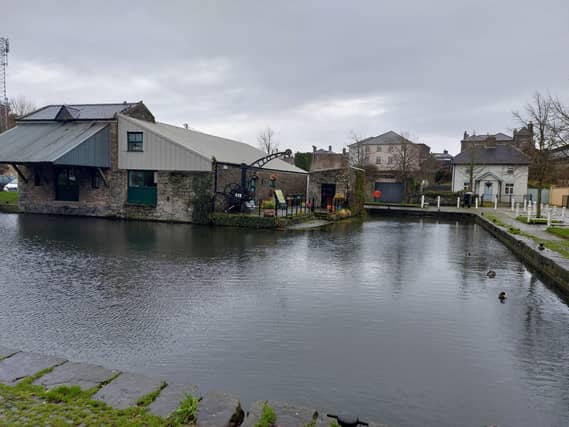
Kildare County council has come out against providing retractable bollards alongside part of the Grand Canal in Naas, between the towns and Sallins (near the locally-known gasworks site).
It was responding to a call from Naas mayor Seamie Moore who said the gardaí were in favour of the move with an arrangement put in place to manage any new system.
READ NEXT 'Stop using immediately' - Urgent recall issued in Ireland after asbestos found in children's toy
The request was supported by Cllr Bill Clear who noted that only a small number of residents were affected and the area is a local amenity "attracting thousands of people.” He disputed the claim of anti-social behaviour in the area. He said the residents had been patient and are seeking help from the council.
Cllr Evie Sammon said there is a power source and “it could be easily done.”
KCC engineer Dónal Hodgins said KCC had had a deputation from residents, there were reports of anti-social behaviour in the area and the community garda was involved.
He said KCC had "gone a long way” to address residents’ concerns “but we can’t address everything.”
He also said retractable bollards would be costly and impractical. He added they would be placed in a remote environment and would require a permanent power supply, public lighting sources and surveillance to ensure they were operating properly.
He added the existing bollards, which provide a safe environment for vulnerable road users, have repeatedly been vandalised and alternative bollards are being considered for the route, but these will not be mechanised.
Retractable bollards, he said, tend to be located in urban areas and problems associated with them include mechanical/electrical failure, corrosion, freezing and hydraulic issues when located near water sources.
“Regular maintenance is needed with the bollards requiring cleaning, lubrication and the sealing of the equipment to prevent water ingress. The cost of maintenance is high as the technology is expensive and requires constant attention to ensure optimum operation.”
Placing them alongside the canal is not recommended because if they were interfered with a driver could finish up in the canal.
Instead the message that should be promoted is not to drive there, Mr Hodgins said.