

Naas Hospital left ‘with no option’ but vote for strike action
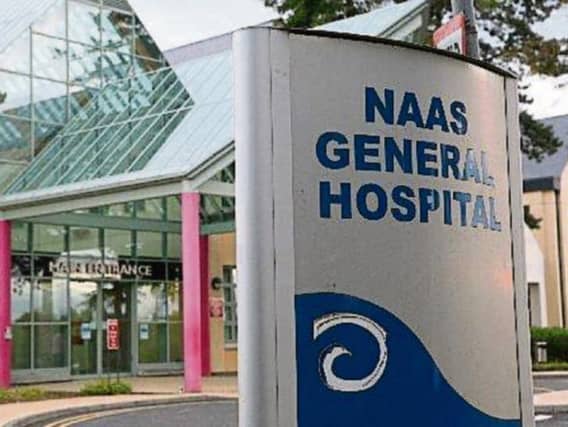

Naas nursing staff have been left ‘with no option’ but vote for strike action says the midlands INMO representative.
95% of INMO nurses and midwives nationally have voted to go on strike in a dispute over staff shortages and pay.
The INMO’s Executive Council, made up of elected nurses and midwives from across Ireland, will meet on January 7 and 8 to discuss the result and decide the next steps.
The Executive will determine dates for a 24-hour national strike, which would see INMO members withdraw their labour, providing only emergency and lifesaving care.
Three weeks notice to the Government will be given for when the strike will take place.
Joe Hoolan, INMO representative for Naas General Hospital said: “It is nobody’s preference to go on strike, nurses feel there is no other option. This is the last stop on what has been a very long journey.”
This would be only the second time in the INMO’s hundred-year history that its members have taken national strike action. Nurses and midwives last engaged in strike action two decades ago in 1999.
This issue centres on staff shortages caused by low pay, leaving the public health service unable to recruit and retain enough nurses and midwives to safely care for patients.
Nurses and midwives are the lowest-paid graduate professionals in the health service, earning thousands less than similarly qualified health professionals, despite having a longer working week.
A staff nurse after one year earns €31, 110 and after 15 years earns €45, 701.
An occupational therapist or speech and language therapist after one year earns €37, 784 and 15 years on earns €52, 059.
After one year a radiographer earns €36, 228 and after 15 years earns €50,040.
Recent government pay proposals did not affect most nurses and midwives and were rejected as insufficient by 94% of INMO members in October.
INMO General Secretary Phil Ní Sheaghdha said:“Ireland’s nurses and midwives are speaking with one clear voice. This vote reflects a deep frustration in our professions, which the government cannot continue to ignore.”