

Kildare landowners opposed to canal recreation walk plan


An assessment has been made of how successful the project is likely to be
There are tentative plans for a new walking and recreation route along part of the Grand Canal in the Naas/Newbridge area.
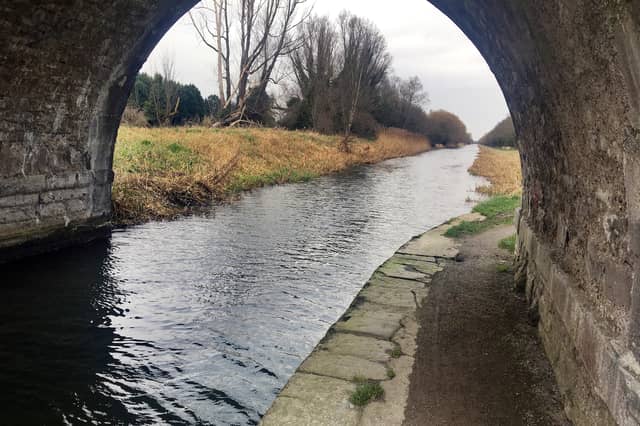
The hope is to develop the route along the Corbally line of the Grand Canal. The line links the canal harbour area in Naas with Corbally Harbour near Two Mile House.
The route is intersected by the Naas to Newbridge road at Jigginstown.
A feasibility study has been conducted.
Kildare County Council employed consultants to assess the feasibility of new and improved recreational uses on and along the Corbally Canal (Newbridge Road to Corbally Harbour) and the Liffey Corridor (a strip of land beside the river between Newbridge and Kilcullen), as well as to assess the opportunity to connect Corbally Harbour with the river corridor.
Between Corbally Canal - Corbally Harbour the consultants suggested upgrades to the existing towpath within its current footprint, protection of the existing biodiversity, invasive-species control, opening the canal to water activities and bridge repairs where necessary.
At the harbour they suggested conservation-led enhancements to create a managed, family-friendly connection/trailhead.
This could include repurposing buildings, modest parking and visitor information in coordination with Waterways Ireland.
A connection using existing roads and paths plus a proposed clear-span pedestrian bridge at Connell Ford, was suggested for the route between the harbour and Newbridge (via Great Connell Priory and Connell Ford).
The development could accommodate cycling as well as walking and cold embrace a cafe, boating on the canal, seating, exercise equipment and active travel routes.
The consultants noted that a range of private landowners along the River Liffey between Newbridge, Athgarvan and Kilcullen “were not supportive of any type of recreational amenities, trails, or connecting routes that would involve or impact their landholdings.”
The study therefore did not consider any privately owned land as part of the study.