

Overcrowding worsened at Kildare's main hospital last month

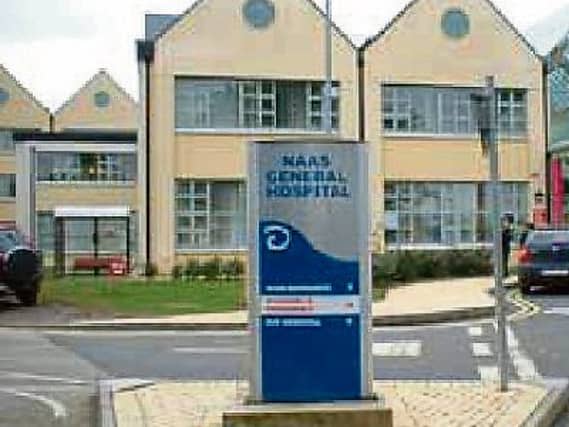

A total of 347 patients were treated on trolleys in May
The number of patients treated on trolleys last month at Naas Hospital was the second highest ever recorded for that period.
A total of 347 people were treated on trolleys, having been admitted through the accident and emergency department, in May compared with 90 for the same month in 2025 and 158 for May 2024.
That number was exceeded in May 2023 (382) and again for that same period in 2019 (479).
The lowest figure for that month, as recorded by nurses working at the facility was in 2020 when 15 were treated on trolleys but that was during the Covid-19 pandemic.
Some 149 patients were treated on trolleys at Portlaoise Hospital last month and there were no patients on trolleys at Tullamore Hospital in that time.
The most overcrowded facility in May was University Hospital Limerick with 2018 patients, followed by Cork University Hospital (806), St Vincent's University Hospital (783), Sligo University Hospital (782) and University Hospital Galway (769).
INMO General Secretary Phil Ní Sheaghdha said: “The number of people on trolleys in May has been far too high.
“We are seeing regular occurrences of daily trolley counts of over 500 people being treated on trolleys, chairs, or other inappropriate bed spaces.”
She said the “political system” must act and introduce legislation to support safe nurse and midwife staffing.
She said INMO members “have made it clear that staffing deficits are impacting their ability to provide safe and timely care (and) legislation is the only way to make sure hospitals comply with HIQA recommendations on inadequate staffing.”
She added the HSE needs to consider how it will make the acute hospital system safer over the winter months.
“It is clear that in the majority of sites current systems that are in place are not working.”
Ms Ní Sheaghdha said persistent overcrowding threatens the safety and well being of nurses and also leads to “higher rates of assault against staff, increased burnout, and greater intention to leave the profession.”