

New coronavirus variant being monitored by WHO
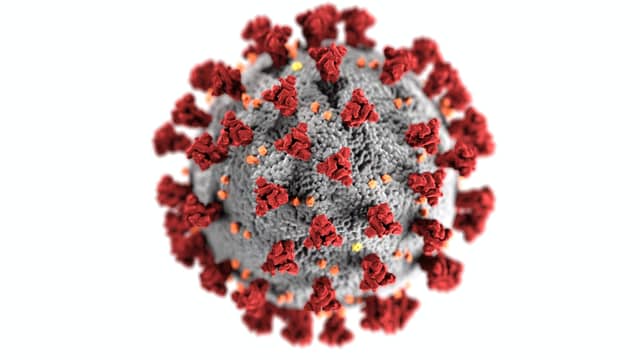

The World Health Organization has revealed it is monitoring a new coronavirus variant known as "Mu" which was first identified in Colombia in January.
In its weekly pandemic bulletin, the global health body said the variant has mutations that indicate a risk of resistance to vaccines and that further studies were needed to better understand it. The new variant was first detected in Colombia but has since been reported in other South American countries and in Europe.
The Mu variant, known scientifically as B.1.621, has been classified as a "variant of interest", with the WHO saying its global prevalence has declined to below 0.1% among sequenced cases, however, in Colombia, it is at 39%.
The emergence of new virus mutations has caused widespread concern as infection rates are rising, with the highly transmissible Delta variant taking hold, especially among the unvaccinated and in regions where anti-virus measures have been relaxed
All viruses, including SARS-CoV-2 that causes Covid-19, mutate over time and most mutations have little or no effect on the properties of the virus, however, certain mutations can impact the properties of a virus and influence how easily it spreads, the severity of the disease it causes, and its resistance to vaccines, drugs and other countermeasures.
Click the link below to see a detailed report from the World Health Organization.