

O'Neill opens up on analysis, tactics and the hardest part of his job ahead of Meath showdown
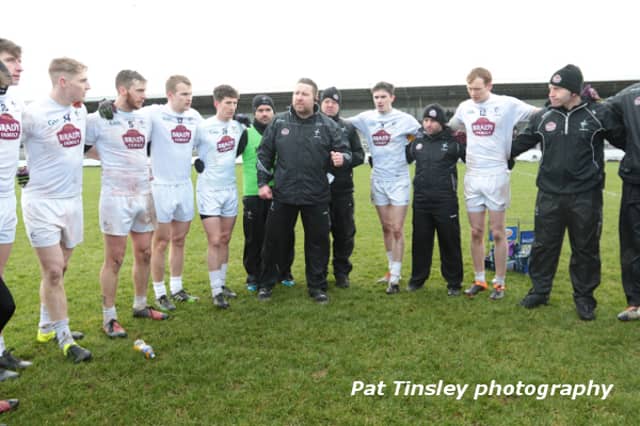

Meath’s scoring prowess was evident in their 0-27 to 3-9 win over Louth in their own Leinster final, so shutting down their forward line is the obvious need ahead of Saturday. The video of the Royals’ facile win has been well combed through in the week leading up to the Leinster semi-final, so O’Neill will be hoping that the homework he has given his players will be well studied by the time they take the field at 7pm on Saturday.
“Obviously we only got the highlights on the Sunday game, but we had the film by Tuesday so we’ve had the bones of four or five days before we meet later on to go through that,” he said.
“They put in a massive performance; they clipped 0-27 there and had four or five goal chances, so it could have been more, that being said, so did Louth. It was a comfortable victory, more so than our own. I think Laois caused us problems early on, whereas I don’t think Louth ever really did. I know they got the goal after half-time, but Meath were in control for most of that match.
“A large part of our opposition analysis is what they do well, where they cause teams problems and obviously the other side of that then is where you see areas to exploit and where to go after them. Then you get down to the nitty-gritty of individual analysis, like every team has big players and go-to players so we spend a bit of time on that as well.
“That’s never at the expense of focusing on our own game. I think it’s really how we perform and how we set out to perform. I think against Laois we got that balanced well; we spent a bit of time trying to neutralize the early ball in and their full-forward line then, but then most of it was on our own performance and you could see that in the way the lads played.”
While Laois shot the lights out against Longford in their championship opener, Kildare largely nullified their forward threat when the two sides met. Meath represent a completely different challenge however, with their fluid attacking unit capable of interchanging and causing plenty of headaches to opposition defences.
The challenge ahead isn’t lost on the Kildare manager, and he outlined how impressed he was with some of the Royals’ players in their last outing.
“How we approach Laois will be slightly different to how we approach Meath, because they are a different entity,” explained O’Neill.
“It’s not going to change how we play, but how they play may have an impact on the day. We set up to play and we try to deal with the opposition threats as well as we can, but we’re certainly not going to change anything just because of this particular opposition.
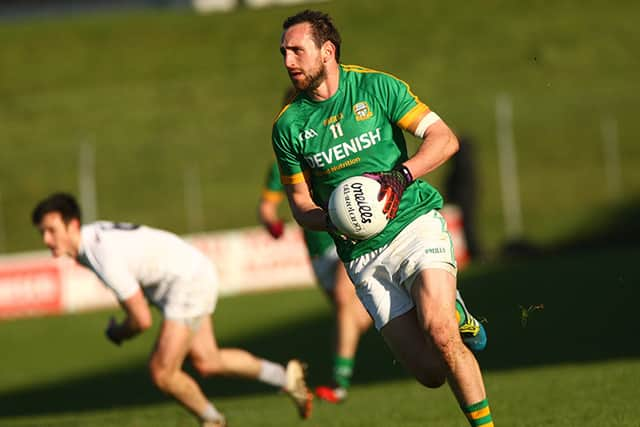
“That’s part of our task, to try and neutralise that threat while not losing our own game, but certainly we’re going to have to really defend hard and strong from 15 back as opposed to just relying on our defenders, because when they [Meath] go they go as a group. It’s not up to [Kildare’s] two to seven or two to nine to deal with that, it’s up to the whole group when we haven’t got the ball, and when we have the ball we’re right into our gameplan.”
It’s unlikely that Kildare will make any changes to the starting side that played so well against Laois, and that has been a hallmark of their season thus far. 13 of the players who began the game in Tullamore almost two weeks’ ago started against Meath in the league opener, with Neill Flynn and Ben McCormack the two absentees due to injury, and Kildare have been remarkably settled all year.
O’Neill explained that the reason behind that is the performances of those entrusted with starting jerseys so far this year, but he also explained that the toughest part of his job is telling players they won’t be in the matchday panel.
“It’s important to note that the reason that it has been so settled is that that group of players has been playing better than everyone else at the moment,” outlined O’Neill.
“You’d hate for any panel to have the feeling that the team is picked going into every match, it’s certainly not, but we do have a group of men there that are really pushing on. Their performances aren’t dipping and it’s hard to change a team that’s winning, and it’s hard to change a player that isn’t playing well.
“There’ll always be subtle changes here and there, but in terms of the players knowing each other, knowing the game and knowing each other’s game, that’s a real benefit. But the key thing is that the competition now is as high as it was after two or three rounds of the league, because lads know we pick on form. The positive thing about that is the form players seem to be playing well all the time. The other side of that is that lads know if they put their hands up, like Cathal McNally who didn’t see much pitch time during the league and was in and out, got a start there last week because he’s playing really great football at the moment.
“It’s probably the hardest part of the job because you’re giving good news to 15, you’re giving not so good news to 11, and then you’re giving absolutely awful news to the other eight or nine players. The key thing is to keep those guys who aren’t making the 26 aware of the fact that you look at what happened Ben, Neill and Daniel[Flynn] during the league that form can dip, form can return, and there’s always opportunities. Sometimes you need to have a bit of patience, even on this team you have some late starters and late arrivals. Ollie Lyons didn’t come in as a 19-year-old superstar and he has been one of the most consistent performers in the last number of years,” he concluded.